
Simply put, the illusion of control as it relates to gambling is the belief that you can accurately predict or even influence the outcome of an event. I had this to quite an extent back in my gambling days, and I think I know where it came from. When I was boxing, I was usually much smaller than my opponents, often by a lot. It was take mismatches or have no matches. But somehow not only did I usually win, I usually won by knockout. What did this teach me? It taught me that I could exert my will on the world; that I could tap into something inside of me and just make it happen, even when I was at an extreme disadvantage.
You may ask, what does this have to do with gambling? Well, I had that same mindset at the poker table. I somehow believed I could influence or predict the outcome of the hands being dealt. I even engaged in what, in looking back, was superstitious, irrational behavior. When my hand was coming out of the shoe, I would knock on the felt. And it was very specific what I was doing. If I thought I wanted or was going to get 3 of a kind, I’d knock 3 times. If I thought I would get a flush, I would knock 5 times. A full house? 7 times. Whatever the payout rate was for that hand. Now, did I think I would be dealt a garbage hand, knock on the table, then it would magically turn into a great hand? No. But did my brain somehow get conditioned to think this little ritual was needed and effective? Yes.
So, I do think my history in athletics in this way (as in other ways I’ve mentioned in earlier posts), played a role in the way I gambled. What made me a good athlete, in part, made me a bad gambler.
Where do we go from here? If someone consistently finds a way to dig deep and excel, performing beyond what their skill and physical form should allow them to do, should that person never gamble? That’s not what I’m saying. What I’m saying is that we need to know the illusion of control is a real thing, it feels very true, and it could lead to us gambling in ways that are not all that healthy. It connects to something called gambling literacy, which is understanding how the game you play actually works. Some forms of gambling are fully about randomness and probability. Others also include a degree of skill. Just how much that skill is worth is where people can go wrong. Thinking that you can predict or control the outcome with a degree of accuracy beyond what you actually can reflects an illusion of control, and low gambling literacy.
As a matter of fact, a survey that the Illinois Lottery shares results of every year has shown repeatedly that sports bettors have lower gambling literacy than other types of gamblers. (Check out the Responsible Gambling Annual Report at https://www.illinoislottery.com/illinois-lottery/responsible-play/our-commitment). Does this mean sports bettors aren’t smart? In my experience, it actually is the opposite. Most sports bettors I have encountered as a gambling counselor are actually quite intelligent, with sophisticated systems and spreadsheets, and knowledge of a remarkable amount of stats. Having low gambling literacy doesn’t mean you aren’t smart. In many cases, it means you are TOO smart; you know so much that you far overestimate the impact that knowledge has on your ability to make the right calls. Research (ex. Study published in Psychopathology by Prof. Dannon and Dr. Ronen Huberfeld) indicates that sports knowledge is not connected to better betting outcomes. Huberfeld, Ronen & Gersner, Roman & Rosenberg, Oded & Kotler, Moshe & Dannon, Pinhas. (2012). Football Gambling Three Arm-Controlled Study: Gamblers, Amateurs and Laypersons. Psychopathology. 46. 10.1159/000338614.
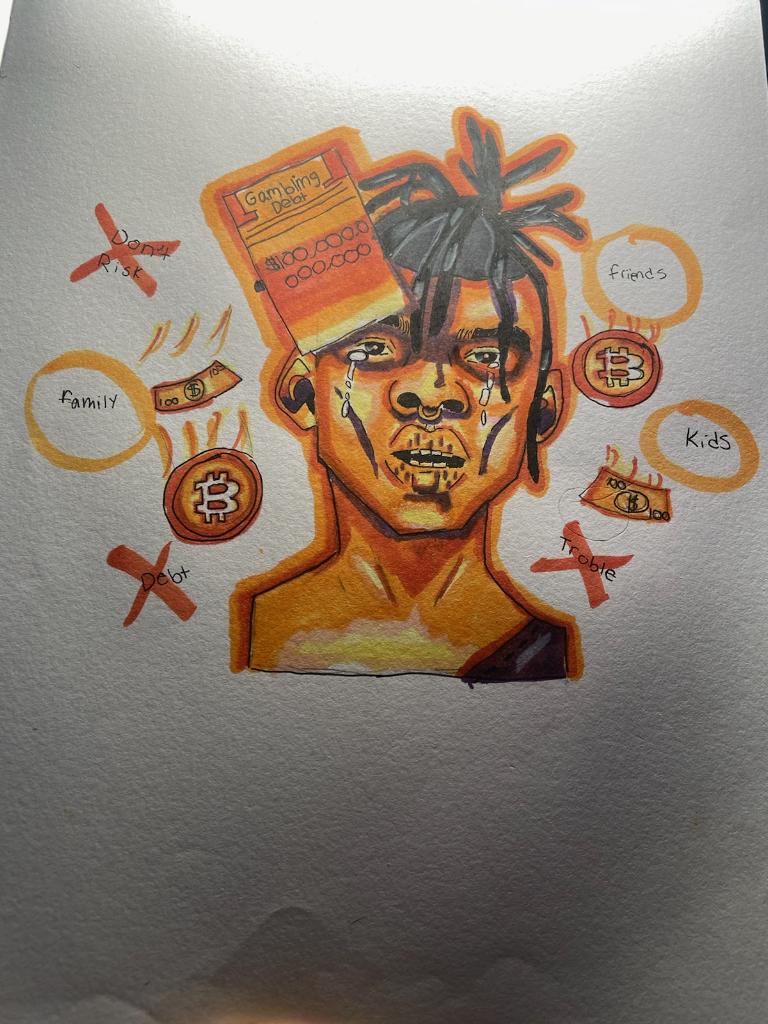
Illinois has a statewide awareness campaign called “Are You Really Winning?” I like this for many reasons. It invites someone to self-assess, to think “is this really working out for me?”. Because we can feel like we’re doing well, and be wrong. Research shows we remember gambling wins longer and more clearly than gambling losses. When we’ve won, we tend to over-estimate the likelihood of future wins (ex. Scoboria A, Wilson T. Memory for future gambling wins. Psychol Addict Behav. 2011 Sep;25(3):565-72. doi: 10.1037/a0022707. PMID: 21443304.) So, instead of checking in with your gut, Are You Really Winning would have you check in on your finances, your job, your family, your mood, etc. How are these things being impacted by your gambling? And is it really working out for you? If not, can you take a step back, take a break? Regroup? Maybe talk to a counselor about doing things a little different? This might mean working towards a controlled relationship to betting. It might mean quitting. Each person has options every step of the way.
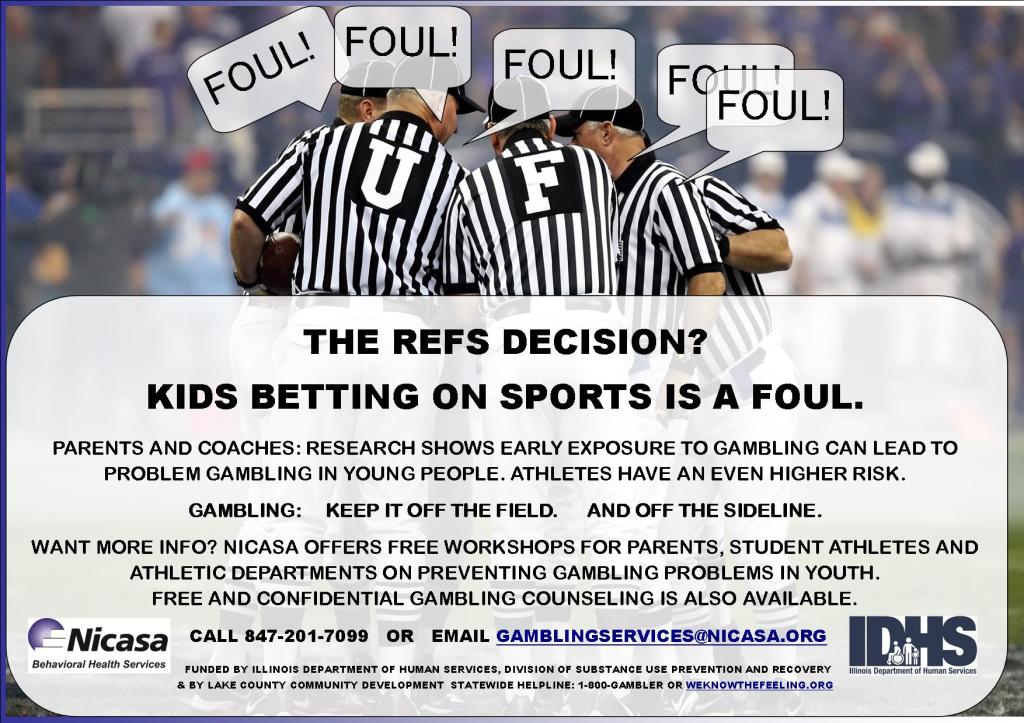
Anyway, I hope this gives you all (like all 3 of you that read this, haha) food for thought. Take care. Be safe. And no matter what, don’t let sports betting get in the way of the game.





 Fight Problem Gambling